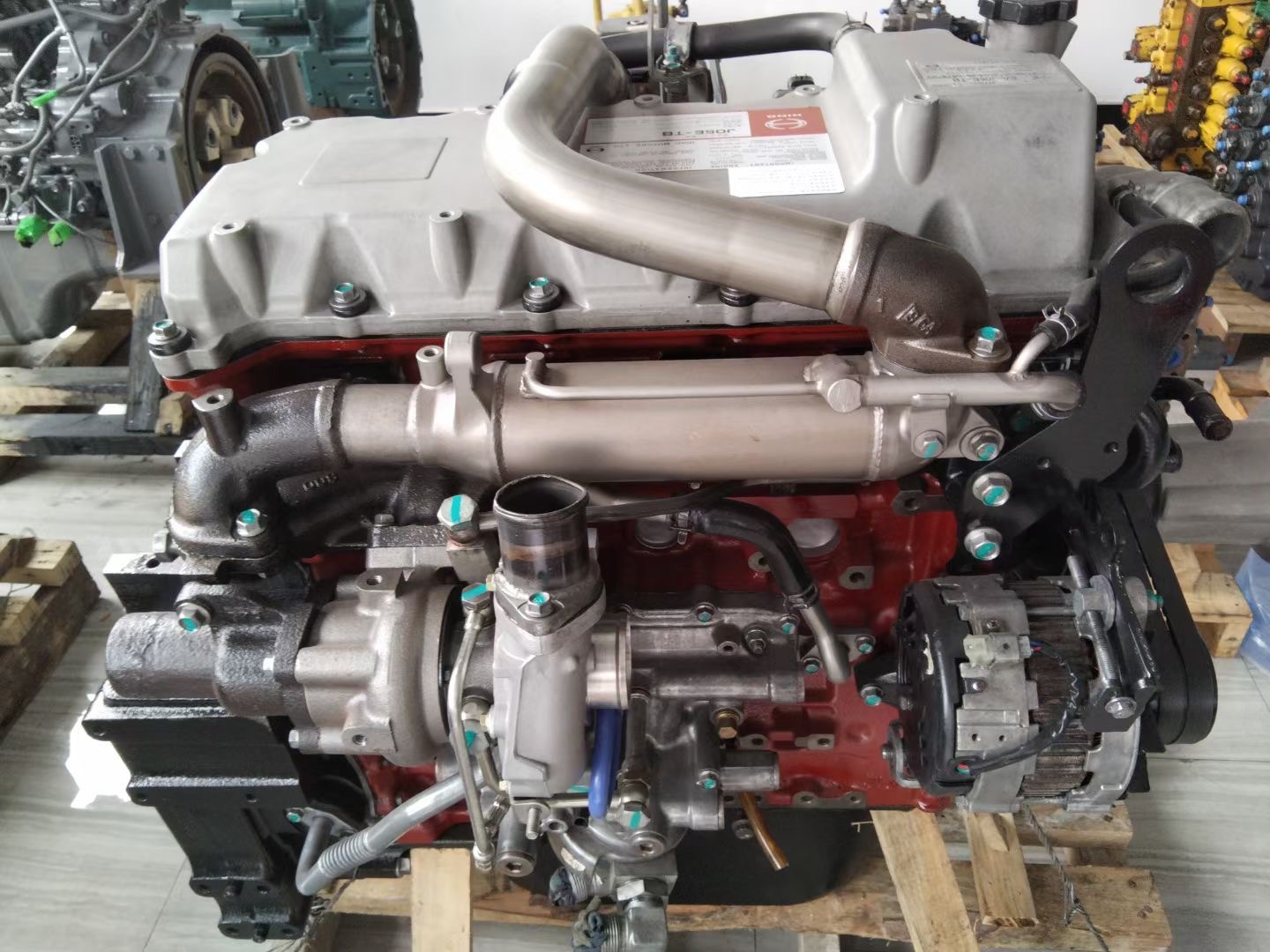
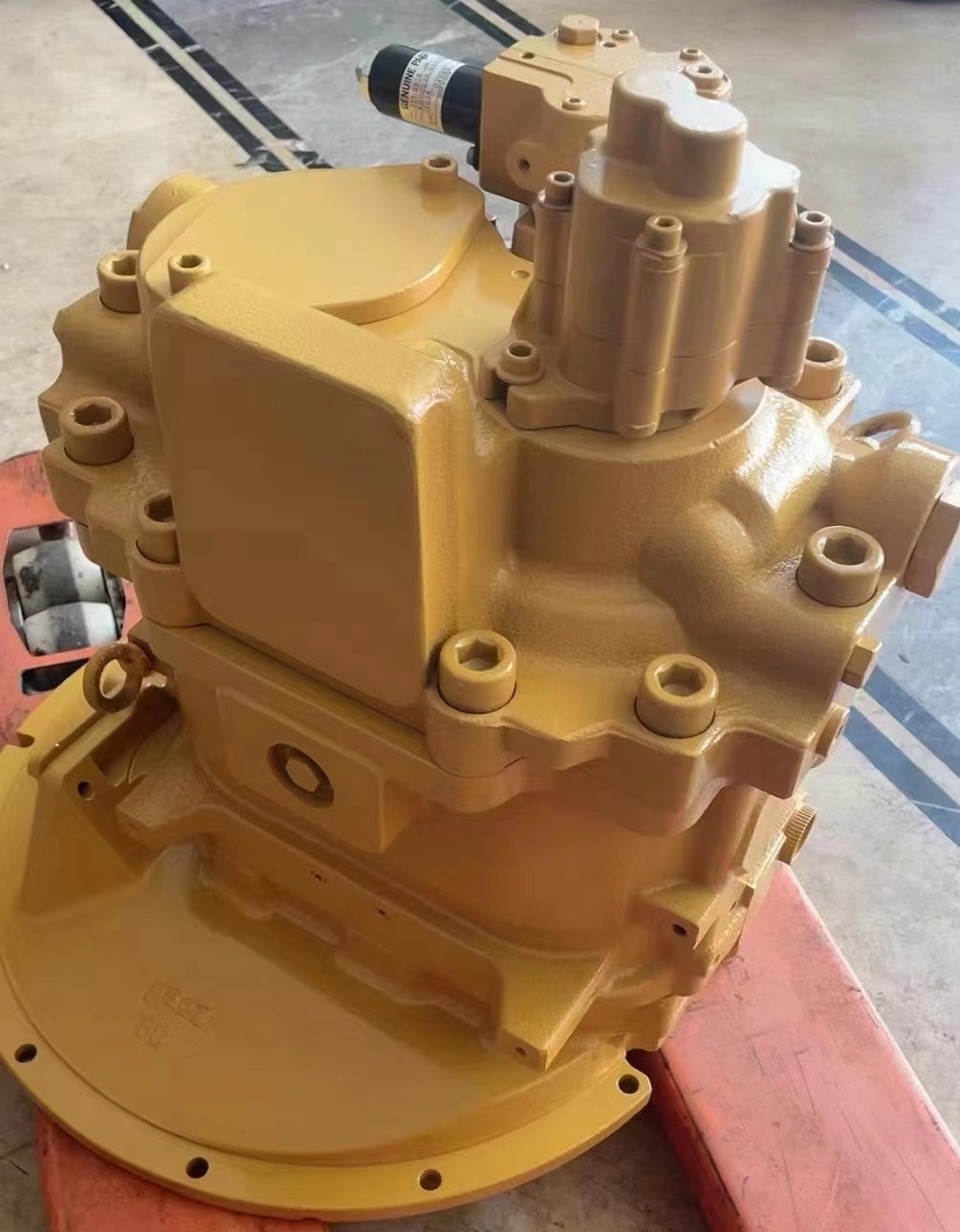
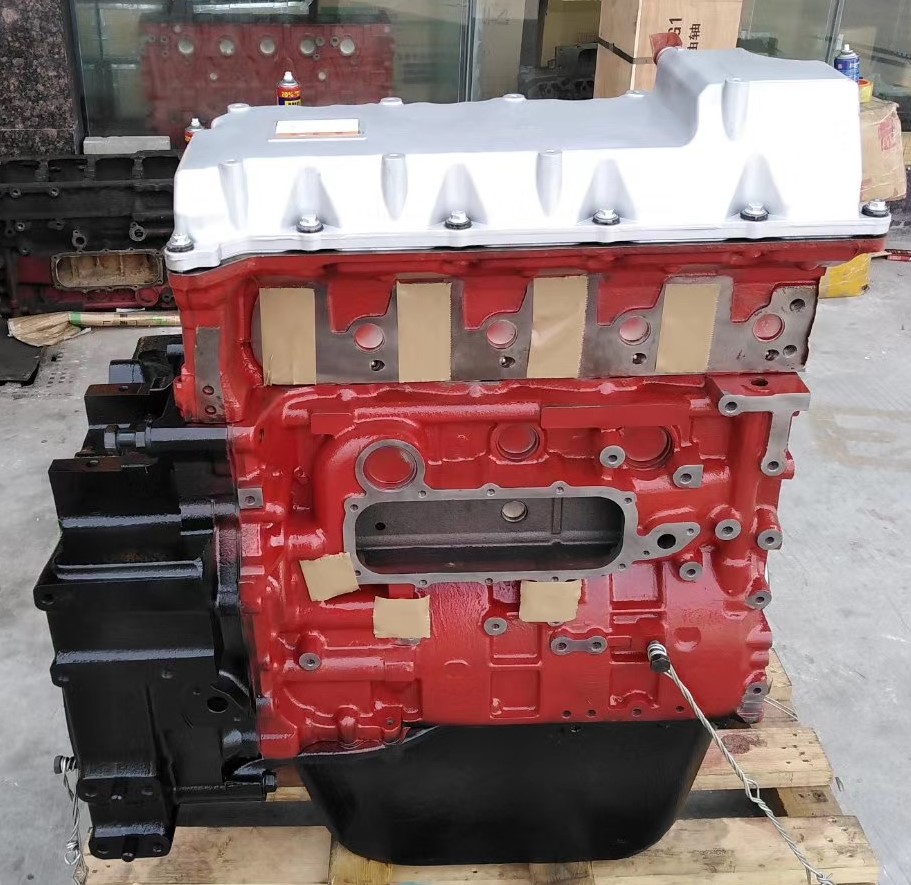
A gearbox, also known as a transmission, is a mechanical device used in various machines, vehicles, and equipment to control the speed, torque, and direction of rotational motion between a power source (such as an engine or motor) and an output device (such as wheels or other driven components). Gearboxes play a crucial role in many applications, including automobiles, industrial machinery, wind turbines, and more.
The primary functions of a gearbox are as follows:
Speed reduction or increase: Gearboxes can change the rotational speed of the output shaft compared to the input shaft. By using different-sized gears or gear ratios, a gearbox can either reduce the rotational speed (high-torque, low-speed output) or increase it (low-torque, high-speed output).
Torque multiplication: Gearboxes can also multiply the torque output, allowing a machine to exert greater force or pull heavier loads. This is achieved by using gears with different diameters to increase the mechanical advantage.
Directional control: Some gearboxes, especially in automotive applications, enable the reversal of rotational direction. This is essential for changing the direction of motion, such as shifting from forward to reverse in a vehicle.
Power distribution: In complex machinery or vehicles, gearboxes can distribute power to multiple outputs, such as in a four-wheel-drive vehicle where power is sent to all four wheels.
The basic components of a gearbox include gears, shafts, and bearings. The gears are mounted on the shafts and mesh together to transmit power. The teeth of the gears are carefully designed to ensure smooth and efficient power transfer while maintaining proper gear engagement.
The most common types of gearboxes are:
Manual transmission: Used in automobiles, where the driver manually selects different gears to control speed and torque.
Automatic transmission: Offers automatic gear shifting based on vehicle speed, engine RPM, and other factors, providing convenience to the driver.
Continuously Variable Transmission (CVT): Utilizes a belt and pulley system to provide an infinite number of gear ratios, leading to smooth acceleration and improved fuel efficiency.
Gearboxes in industrial machinery: These can be found in various forms, including spur, helical, bevel, and planetary gear arrangements, depending on the specific application requirements.
Overall, gearboxes are essential components that allow machines to efficiently transmit power and adapt to different operating conditions, making them a fundamental part of many mechanical systems.


 8616653921805
  sales@sendemach.com
  English