An excavator is a complex piece of heavy construction equipment, and it consists of several main components that work together to perform various tasks efficiently. Here are the main parts of an excavator:
Boom: The boom is the long arm of the excavator that extends from the machine's main body and is used to reach and dig into the ground. It can be raised and lowered to control the digging depth.
Arm (Dipper Arm): The arm, also known as the dipper arm, is attached to the end of the boom. It works with the boom to provide additional reach and digging capabilities. Like the boom, the arm can be extended and retracted.
Bucket: The bucket is attached to the end of the arm and is the primary tool used for digging and scooping materials. Excavator buckets come in various shapes and sizes to suit different tasks, such as standard buckets, ditching buckets, rock buckets, etc.
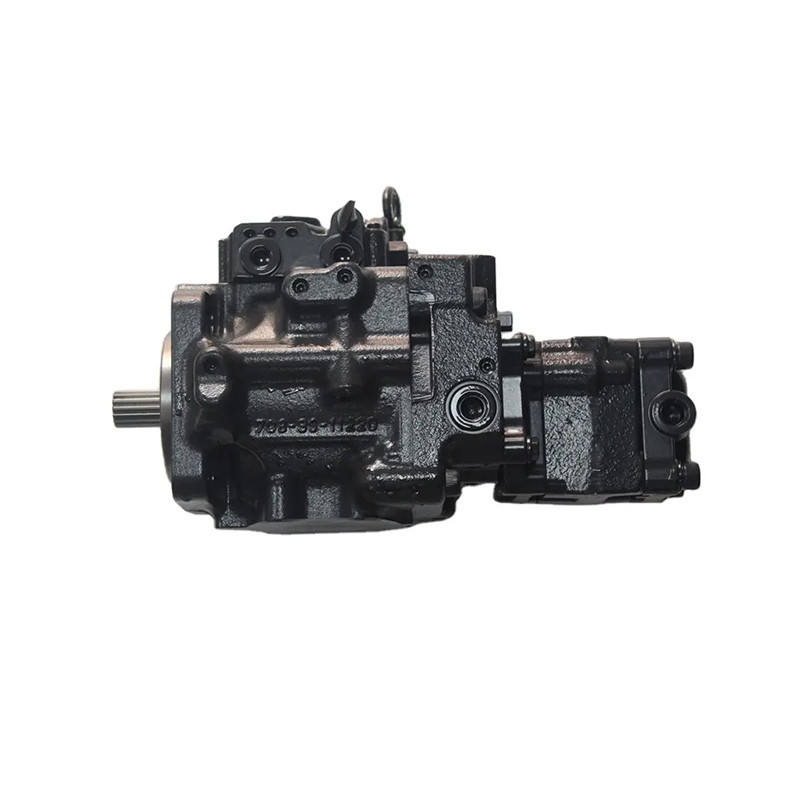
Hydraulic Cylinders: Excavators use hydraulic cylinders to control the movement of the boom, arm, and bucket. These cylinders are powered by hydraulic fluid under pressure and enable precise and powerful control of the machine's digging and lifting actions.
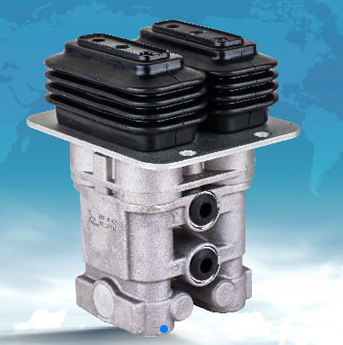
Cab: The cab is the operator's compartment, located on the upper structure of the excavator. It provides a protected and comfortable space for the operator to control the machine. The cab is equipped with control levers, joysticks, foot pedals, and various instruments for monitoring and operating the excavator.
Upper Structure (House): The upper structure houses the engine, hydraulic components, and the operator's cab. It is the part of the excavator that can rotate or swing on the undercarriage.
Undercarriage: The undercarriage is the lower part of the excavator that sits on tracks or wheels, depending on the type of excavator. It provides stability and mobility to the machine. Track excavators have tracks similar to tank treads, while wheel excavators have wheels for movement.
Track or Wheels: The track or wheels are part of the undercarriage and allow the excavator to move around the construction site. Track excavators offer better traction and stability on rough terrain, while wheel excavators are more suitable for smooth surfaces and shorter distances.
Engine: The engine provides the power necessary to operate the hydraulic systems, tracks/wheels, and other components of the excavator. It is usually located within the upper structure.
Counterweight: The counterweight is attached to the rear of the upper structure and serves to balance the weight of the boom, arm, and bucket when lifting heavy loads. It prevents the excavator from tipping forward during lifting operations.
These are the main components of an excavator, and they work together to make the machine a versatile and powerful tool for various construction, earthmoving, and excavation tasks.


 8616653921805
  sales@sendemach.com
  English